


Samkok: New Force
TTHmobi
I came away from Samkok: New Force feeling that its biggest appeal is not simply being another mobile card game. It is built around the promise of a generous starting draw experience, and that changes how the first hours feel. Instead of asking you to wait a long time before assembling a meaningful team, the game puts early collection at the center of its identity. That makes it immediately attractive to players who enjoy experimenting with heroes, formations, and card-based progression.
This is a free card RPG from TTHmobi, designed for players who like the Three Kingdoms setting but want something more structured than a traditional tabletop card game. The presentation aims for a dramatic, character-focused style, while the underlying appeal comes from deciding which units deserve attention and how to use a growing roster efficiently. I found it easiest to enjoy when I treated the opening period as a testing ground rather than rushing to build one supposedly perfect lineup.
The game is rated Teen, which is worth keeping in mind before installing it on a family device. It is available for Android devices running at least version 5.0, and the current version is 1.1.141. The download itself costs nothing, although optional purchases range from small amounts to much larger bundles. That combination makes the game easy to try, but it also means that long-term players need to decide early how comfortable they are with spending.
The draw-focused idea changes the opening experience
Why the starting collection matters
The standout capability here is the emphasis on drawing characters early. The store presentation highlights 2000 draws, but the practical value is not just the size of that headline. What matters is how a large starting pool can remove the usual early frustration of having too few options. In many card RPGs, the first sessions are spent using whatever the game gives you while waiting for a better roster. Here, the collection phase feels like part of the main event from the beginning.
I like that approach because it gives the player something meaningful to do with every new character. A draw is not merely a prize to claim and forget; it creates a decision. Do I invest in the strongest-looking hero, build around a compatible group, or keep several options ready for different encounters? Even without treating every character as essential, the broad opening selection encourages curiosity.
Related News

Threads in Real Life: Who Should Join, Lurk, or Leave

How SHEIN Turned Shopping Into an Endless Content Feed

How to Make Fortnite Feel Smarter on Mobile

Should You Switch to Microsoft Outlook on Mobile?

Why Gallery Keeps Pulling Users Back

X Review: Why Its Network Still Matters
There is also a psychological benefit. A new player can start exploring the game’s identity immediately instead of needing to understand a complicated economy first. The early roster gives you room to compare styles and discover which kind of team feels comfortable. That is especially useful if you are new to card RPGs and do not yet know whether you prefer aggressive damage, defensive stability, or a more flexible setup.
Still, a large draw opportunity can create its own problem: choice overload. When a game gives you many possible directions at once, it is easy to spread resources across too many characters. My practical advice is to choose a small core team after the opening excitement settles. Keep interesting alternatives available, but avoid upgrading every new arrival immediately. A wide collection is useful only when you can turn it into a focused group.
Collection is more useful when treated as a planning tool
The best way to approach the draw system is to see it as a planning tool rather than a lottery that decides whether the game will be enjoyable. I would first look for a group that feels reliable in ordinary play, then reserve resources for characters that solve a specific weakness. For example, if your current team wins quickly but struggles to survive, a defensive or support-oriented addition may be more valuable than another attacker with a similar role.
Gallery
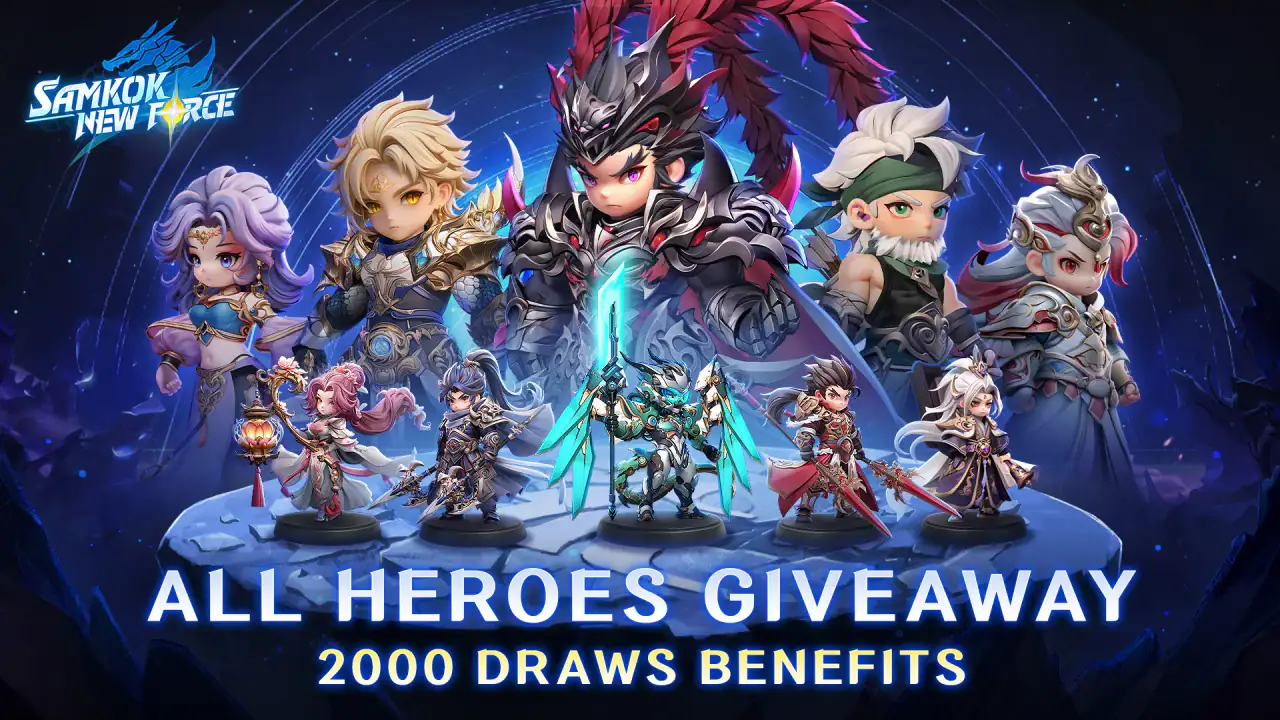
This is one of the less obvious strengths of the concept. A generous beginning can support experimentation, but only if the player resists the urge to chase every attractive card. The game rewards attention more than impulse. I found the collection more satisfying when I asked, “What does this character add to my current plan?” rather than, “Is this character rarer or more impressive?”
That approach also helps players who do not want to spend money. Free access makes the first step simple, and the starting draw focus gives non-paying players a reasonable reason to explore before deciding whether the game deserves a place on their phone. I would not promise that a free player will have the same long-term flexibility as someone who buys optional items, but the opening structure is more welcoming than a design that hides its interesting possibilities behind a long wait.
How the card RPG format feels during ordinary sessions
In practice, this is best suited to short, repeatable sessions rather than one long uninterrupted play period. I can imagine opening it during a commute, after lunch, or while waiting for an appointment, making a few decisions, checking the roster, and stopping before the game starts to feel like a chore. The card RPG format supports that rhythm because progress is built around team choices and repeated battles rather than requiring the same level of concentration as a real-time action game.
That does not mean the game is completely passive in spirit. The interesting part is choosing where to direct attention. A quick session might involve improving a core character, reviewing a new draw, or changing the lineup after a difficult fight. Those small decisions give the game more texture than simply tapping through battles without thinking.
At the same time, anyone looking for fast manual combat may find the format too indirect. The appeal is roster management and planning, not the physical satisfaction of controlling every attack. I would choose this over a reflex-based game when I want something strategic and character-driven, but I would choose a traditional action title when I want immediate movement, timing, and direct control.
How the draw system works in practice
My recommended first-session workflow
I would begin by claiming the available starting rewards, then pause before spending every resource on the first attractive option. The first goal should be understanding the shape of the roster: which characters appear suited to damage, which seem better for protection or support, and whether several of them naturally fit the same team idea. Even a few minutes of sorting can prevent a lot of wasted upgrades later.
Next, I would test a compact lineup through early content instead of constantly rebuilding it. The purpose is not to find a final answer immediately. It is to learn how the team behaves when a battle lasts longer than expected, when an enemy resists your main source of damage, or when one character is removed from the plan. Those observations are more useful than judging a card from appearance alone.
Once a core group feels dependable, I would spend improvement materials conservatively. This is particularly important in a game with a broad collection focus, because a new draw can make an older investment look less exciting even when that older character still performs well. Keeping a reserve gives you room to adapt without having to rebuild everything from scratch.
For a realistic everyday scenario, imagine playing for ten minutes in the evening. You claim a reward, inspect a new character, compare that card with a current team member, and run a few battles to see whether the change actually helps. That is a better use of the game than repeatedly drawing without testing the results. The collection becomes meaningful only when it changes a decision on the battlefield.
What to watch before spending
The presence of in-app purchases is the main reason I would recommend a measured approach. Individual items range from $0.29 to $99.99, so the game can fit a very small optional purchase as easily as it can invite a much larger one. The important question is not whether spending exists; it is whether you are comfortable setting a personal limit before the excitement of new cards takes over.
I would especially avoid buying something simply because a draw did not produce the character I wanted. That turns a collection game into an emotional reaction loop. A better rule is to spend only when the purchase supports a plan you already had, such as expanding a team you genuinely enjoy, and never because you feel behind after a disappointing result.
Another useful habit is to separate collection goals from progress goals. You may want a particular hero because you like the character, while your current team may already be capable of advancing. Those are different needs. Keeping them separate makes it easier to enjoy the roster without treating every missing card as a problem that must be solved immediately.
The visual style helps, but it is not the whole reason to stay
The game presents itself as visually striking, and the character-focused presentation does help the draw system feel more exciting. A new card has emotional weight when it looks like a distinct addition to the world rather than a small statistical tile. I found that the presentation made roster browsing more enjoyable, especially during the first sessions when every character still felt unfamiliar.
However, attractive presentation cannot carry the experience by itself. After the first wave of discovery, the game needs to earn continued attention through useful team decisions. If you do not enjoy comparing characters, adjusting a lineup, and gradually refining a roster, the visual style may not be enough to keep you engaged. This is a collection-led game first, and the artwork works best when it supports that purpose.
Where it fits best in a mobile gaming routine
A good match for collectors who still want decisions
I think the strongest audience is players who enjoy collecting characters but do not want the entire experience reduced to opening reward screens. The draw-centered opening gives collectors a generous playground, while the RPG structure gives those cards a reason to exist. You can experiment with combinations, settle on favorites, and still have practical reasons to revisit the roster.
It also suits people who like the Three Kingdoms theme but are not looking for a historically strict strategy simulation. The setting provides recognizable inspiration, yet the card RPG format is designed around accessible progression and character appeal. I would recommend it to a friend who wants a lighter way to engage with that world, especially if they enjoy mobile games that can be played in short bursts.
The game has already attracted over 500 thousand installs and holds a 4.6 average from around 43 thousand ratings, which suggests that its central combination of presentation and collection has connected with a substantial audience. Those figures do not guarantee that every player will enjoy the pacing, but they do place the game beyond the stage of being an obscure experiment with no established player interest.
When another card game may be a better choice
I would steer you elsewhere if your priority is deep competitive balance, a purely skill-based card battle, or complete control over every move. Samkok: New Force is more appealing when you enjoy building a roster and making broad tactical choices. A traditional collectible card game may be better if you want to construct decks from individual cards and win mainly through turn-by-turn sequencing. A real-time strategy game may suit you more if you want constant direct input.
I would also hesitate to recommend it to someone who dislikes randomized collection systems on principle. Even a generous opening does not remove the uncertainty that makes drawing exciting. If the possibility of missing a preferred character is more stressful than fun, the game’s central loop may feel uncomfortable rather than rewarding.
Parents should pay attention to the Teen content rating and to the purchase range before allowing a younger player to use the device. The free entry point is convenient, but optional spending can become significant when several purchases are made impulsively. A clear budget and device-level purchase controls are sensible for anyone sharing access with children.
Tradeoffs that become clearer after the first few hours
The generous start can make later decisions feel stricter
The same feature that makes the opening welcoming can make later progression feel more demanding. When you begin with many possibilities, you may expect every future step to deliver the same level of excitement. Once the initial collection phase slows down, the game’s long-term appeal depends more heavily on whether you enjoy refining a team than on the thrill of receiving something new.
That is not necessarily a flaw, but it changes the type of player who will stay. I would enjoy the later stage if I had become attached to a particular team or wanted to improve a specific weakness. I would be less interested if I were only waiting for another large burst of draws. The opening should be treated as an invitation to learn the system, not as the entire reason to install the game.
Resource discipline matters more than beginners expect
New players often assume that having many characters means they should level many characters. In my view, that is the fastest way to make the roster feel weaker than it really is. A smaller group with consistent investment is easier to understand, easier to adjust, and less likely to leave you with several underdeveloped options.
A practical method is to keep one primary lineup, one replacement for its most vulnerable role, and a few uncommitted characters for future testing. That gives you flexibility without turning every session into inventory management. It also makes new draws easier to evaluate because you can compare them with a clear baseline instead of a constantly changing team.
This is a specific tradeoff of the draw-focused design: variety is plentiful, but attention and resources are not. Players who enjoy making careful choices will see that as part of the fun. Players who prefer to upgrade everything evenly may find the system frustrating, particularly when a new character competes with an existing favorite for limited investment.
Free access is inviting, but long-term comfort depends on boundaries
Because the game is free, I think it is worth trying even if you are uncertain about the genre. You can discover whether the presentation, setting, and collection loop appeal to you without paying at the door. My recommendation is to play long enough to decide whether you enjoy the decisions between draws, not merely whether the first rewards feel exciting.
If you decide to continue, set a spending boundary before purchasing anything. The small entry price of an optional item can make repeated purchases feel harmless, while the upper end of the purchase range shows why a clear limit matters. For me, the healthiest way to approach this kind of game is to regard purchases as optional support for a hobby, never as a requirement for correcting bad luck.
Who gets the most from this game
The best reason to try Samkok: New Force is the combination of an unusually generous opening collection opportunity and the need to make something useful from it. That combination gives the first sessions momentum without removing all of the player’s responsibility. You receive possibilities, but you still need to decide which ones deserve a place in your everyday lineup.
I would recommend it to a fan of mobile card RPGs who likes character collecting, dramatic presentation, and short sessions with gradual team improvement. It is also a good fit for someone who wants to explore a Three Kingdoms-inspired world without committing to a demanding strategy simulation. The game’s free price makes that recommendation easy, provided you approach optional purchases carefully.
I would skip it if you want direct action controls, a strictly skill-driven card contest, or no randomized element in progression. I would also skip it if roster management feels like administrative work rather than play. The draw system is not a side feature that you can ignore; it is the lens through which the rest of the experience makes sense.
Overall, TTHmobi has built a card RPG that understands the value of a strong first impression. The large opening draw focus gives newcomers room to experiment, while the real test is whether they enjoy turning that collection into a focused team. With a sensible upgrade plan, a personal spending limit, and realistic expectations about the shift from early excitement to longer-term refinement, I think it is a worthwhile free download for the right player.
My final advice is simple: install it for the collection experiment, but stay for the team-building decisions. If you enjoy asking why one character belongs beside another and can resist spending just to chase a disappointing result, the game has a clear and appealing identity. If those choices sound like work, its polished presentation will probably not change your mind for long.
FAQs for Samkok: New Force
What is Samkok: New Force about?
Samkok: New Force is a strategy role-playing game inspired by the legendary Three Kingdoms period. You collect and develop famous warriors, build teams with different skills, and take part in battles that combine tactical decisions with character progression. The game is designed for players who enjoy historical fantasy settings, hero collection, campaign missions, competitive modes, and long-term account development rather than short, one-time sessions.
Is Samkok: New Force free to download and play?
Samkok: New Force can generally be downloaded and played for free, but it may include optional in-app purchases. These purchases can provide premium currency, summoning opportunities, upgrade materials, or other convenience items. Free players can still progress by completing missions and participating in events, although advancing certain characters or unlocking resources may require more time and regular play.
Does Samkok: New Force require an internet connection?
Yes, you should expect to need a stable internet connection for most of the experience. Online access is typically required to synchronize your account, retrieve game content, participate in events, claim rewards, and use multiplayer or competitive features. Because of this, the game is not the best choice for playing during flights or in places with unreliable mobile data or Wi-Fi.
Is Samkok: New Force suitable for beginners?
The game is reasonably accessible to newcomers because its early missions usually introduce the main systems step by step, including combat, hero upgrades, formations, and rewards. However, the number of characters, currencies, equipment types, and event activities can feel overwhelming at first. New players should follow the tutorial carefully, avoid spending premium resources immediately, and focus on building a balanced team.
What devices are needed to play Samkok: New Force smoothly?
The exact requirements may vary depending on the version available for your device, so checking the official store listing before downloading is recommended. In general, Samkok: New Force works best on a relatively recent Android or iOS device with sufficient free storage, updated system software, and a stable connection. Older phones may experience longer loading times, reduced graphics quality, overheating, or occasional performance issues.
Pros
- Fast-paced battles that suit short mobile gaming sessions.
- Distinct heroes offer varied team-building strategies.
- Regular events provide additional goals beyond the main campaign.
- Simple controls make the game accessible to newcomers.
- Colorful visuals and character effects give battles a lively presentation.
Cons
- Progress can become heavily dependent on upgrading specific heroes.
- Random character summons may make team building frustrating.
- Higher stages can feel repetitive after the initial campaign.
- Numerous menus and systems may overwhelm new players.
- An internet connection is required for most gameplay features.


